



A clean, well-maintained lawn sets the tone for any commercial property. At DOV Landscaping, we take care of every detail. Our lawn mowing service ensures uniform grass length for a neat, polished appearance. Edging adds definition along pathways, curbs, and flowerbeds, giving the property a sharp, professional look. Once the mowing and edging are completed, we clear clippings and debris with powerful blowers, leaving your grounds tidy and presentable. Serving businesses in Napa, CA, we offer reliable, punctual service to maintain your landscape’s appeal. Contact DOV Landscaping to arrange your lawn care and receive a free estimate tailored to your commercial property needs.

Expert Overseeding Services

Wait until all danger of frost has passed before planting marigold seeds or marigold seedlings directly in your garden. Set out marigolds from spring into midsummer, but start African marigold plants as soon as the soil is warm because they take a long time to flower. Give marigolds a site in full sun. They can tolerate a little shade, however, in areas with hot afternoon sun. Loosen the soil for your marigold garden about six inches deep and remove stones and other debris. Marigolds like moderately fertile, loamy soil, so you may want to test yours or ask your local extension service to test it for you. The results will tell you what amendments you need, if any. Marigolds also need soil that drains easily, so you may want to work in some organic matter. If you don’t test your soil, or you don't think it has sufficient nutrients for plants, work in some slow-release granular fertilizer as indicated on the product’s label. Alternately, plan to water with diluted liquid fertilizer. Give tall marigold plants a spot where they won’t be beaten down by strong winds and rain. Even in a sheltered site, they may need staking. Planting Marigold Seeds Moisten the soil and sow marigold seeds one inch apart and one inch deep. Water them in. When the seedlings pop up, thin signet and French marigold seedlings to every 8 to 10 inches and African marigold seedlings to every 10 to 12 inches. Should I Start Marigold Seeds Indoors? Planting marigold seeds indoors is easy and most varieties sprout in a few days. To know when to start the seeds, read the seed packet for your variety and count backward from the date of your last expected frost. Sow the seeds in a seed starting mix one inch apart and one inch deep and water them in. Thin the marigold seedlings while they’re about two inches tall, leaving signet and French marigold seedlings 8 to 10 inches apart and African marigold seedlings 10 to 12 inches apart. After all danger of frost has passed, transplant the marigold seedlings into the garden or containers, spacing them as directed on your seed packet. Care for Marigolds; Water Regularly Water regularly but let the soil dry slightly between waterings. Avoid watering overhead since wet foliage can lead to fungal diseases. When to Fertilize Once your marigolds are actively growing, don’t fertilize them again if you added slow-release granular fertilizer at planting time. Too much nitrogen promotes foliage over flowers. If you didn't fertilize at planting time, use a diluted liquid fertilizer as directed on the label.
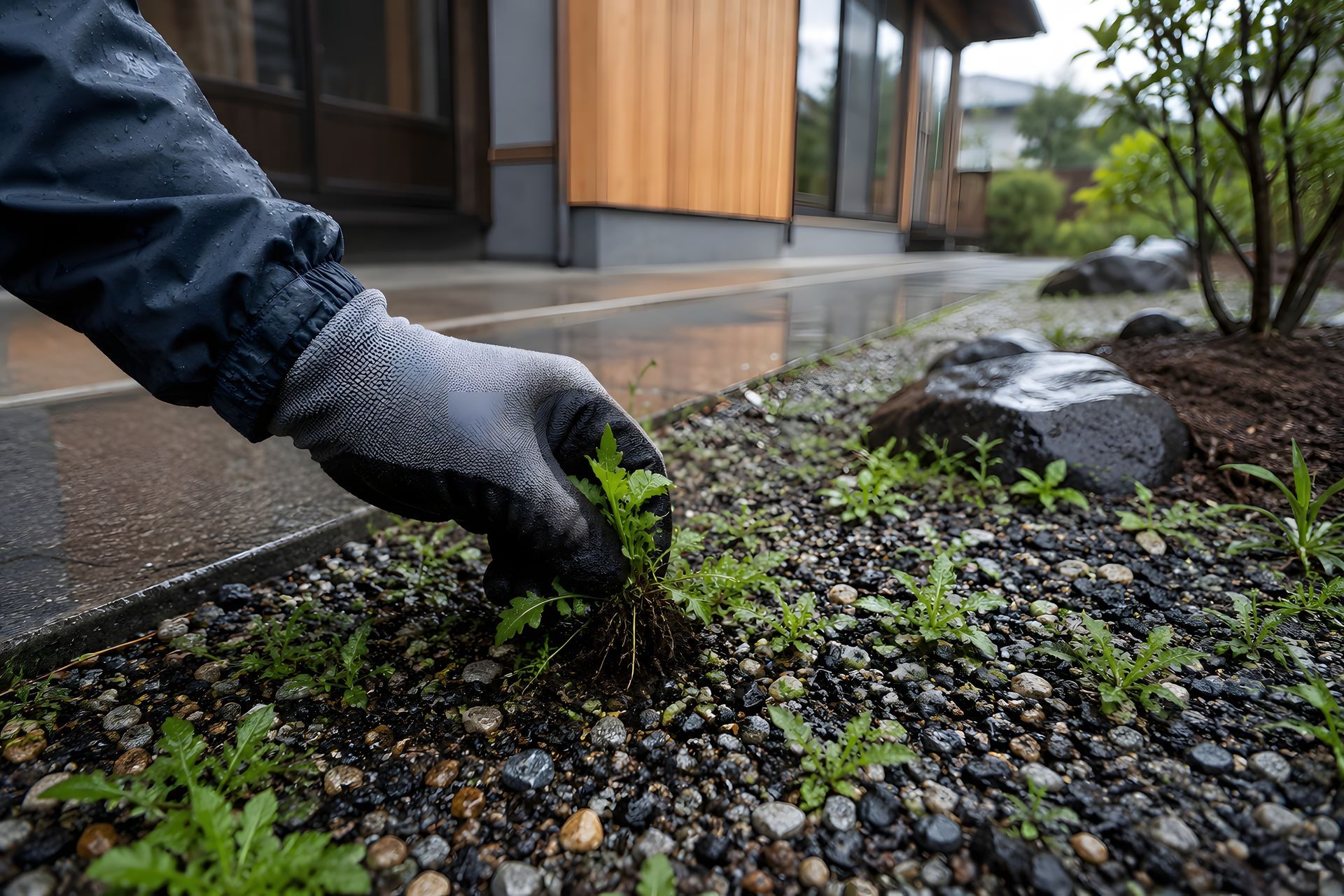
Expert Weed Removal Services
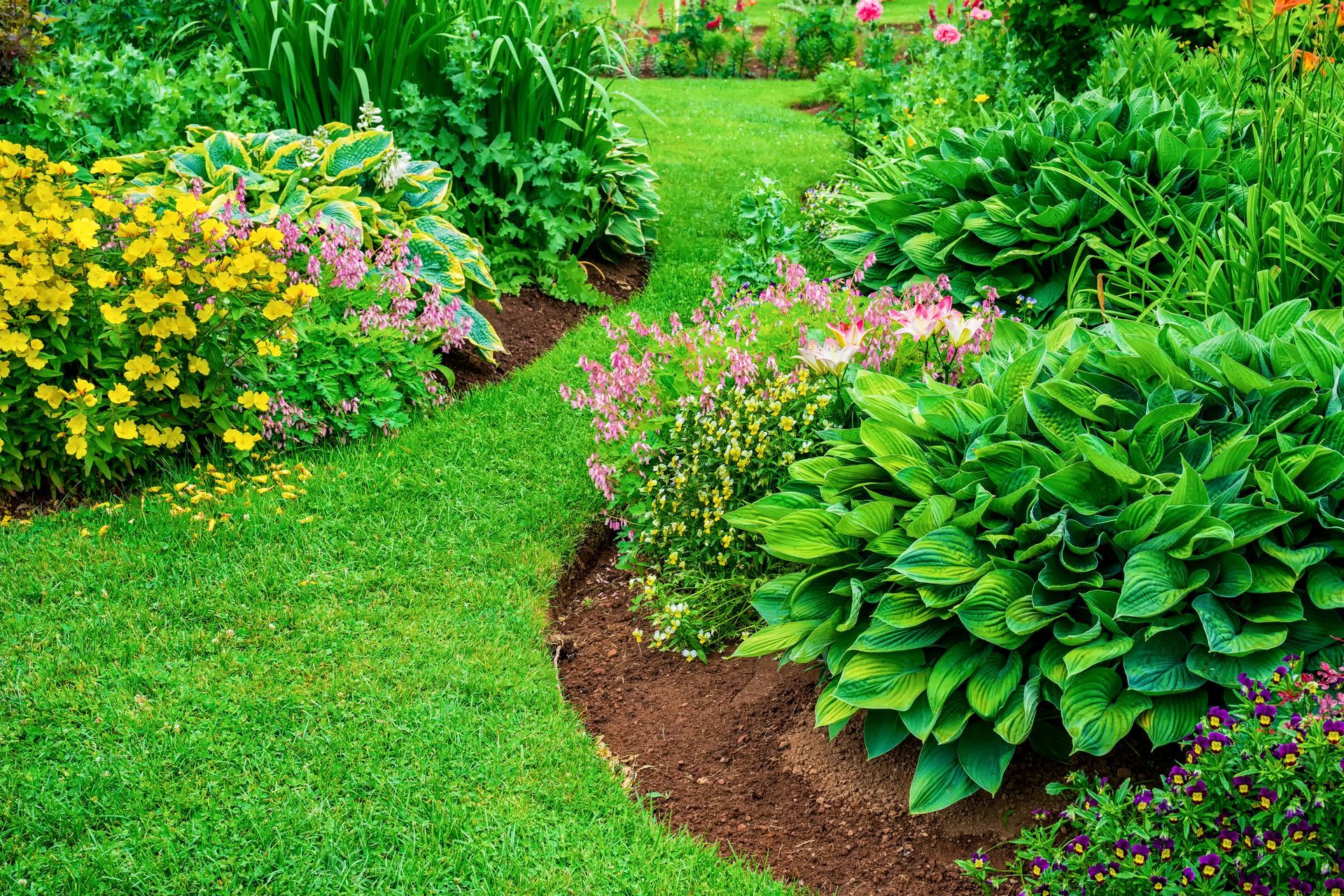
Expert Garden Maintenance Services

As temperatures begin rising heading into summer, now is often the last ideal opportunity for harsher pruning on many trees and plants. While pruning is an important part of maintaining healthy landscapes, timing matters more than many homeowners realize. During cooler months and early spring, plants and trees are generally under less stress and are better able to recover from larger cuts or more aggressive shaping. As the weather becomes hotter, plants must focus more energy on managing heat, sun exposure, and water retention. Heavy pruning during extreme heat can place additional stress on the plant and may make it more difficult to maintain overall health and appearance. Some potential issues with harsh pruning during hotter weather include: Increased stress on plants and trees Greater risk of sunburn or sunscald on exposed branches Higher water demand during recovery Slower healing and regrowth Increased vulnerability to pests and disease This time of year, is ideal for evaluating overgrown trees, shrubs, and hedges before peak summer temperatures arrive. Proper pruning can help improve plant structure, airflow, appearance, and long-term health when done correctly and at the right time. At DOV Landscaping, our team can help assess your landscape and determine the best pruning approach to help your plants and trees stay healthy throughout the summer season.
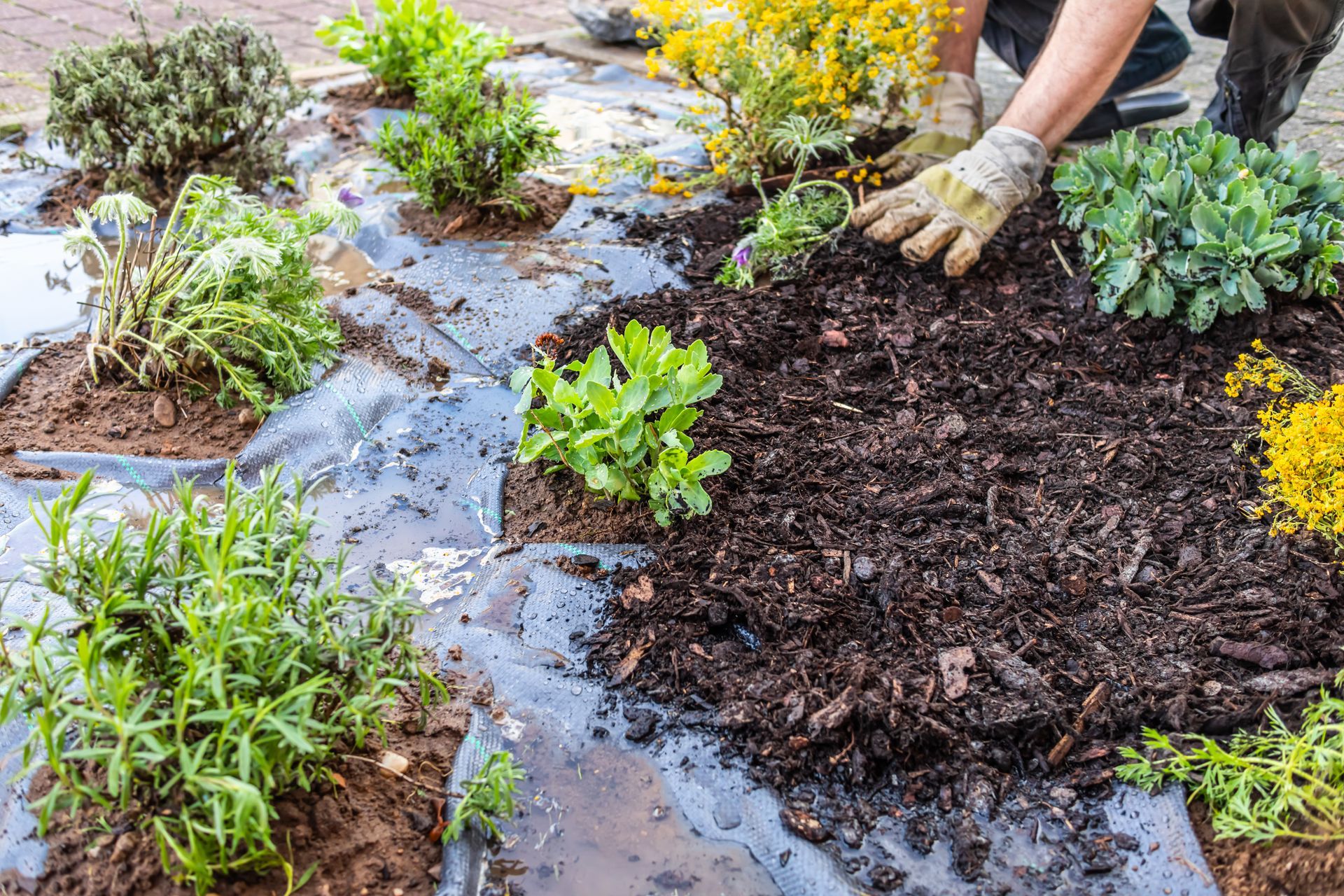
Plant with confidence this season with DOV Landscaping!

Happy Memorial Day! Thank you for your service. DOV Landscaping PHONE: (707) 758-9428 Email: Admin@dovlandscaping.com
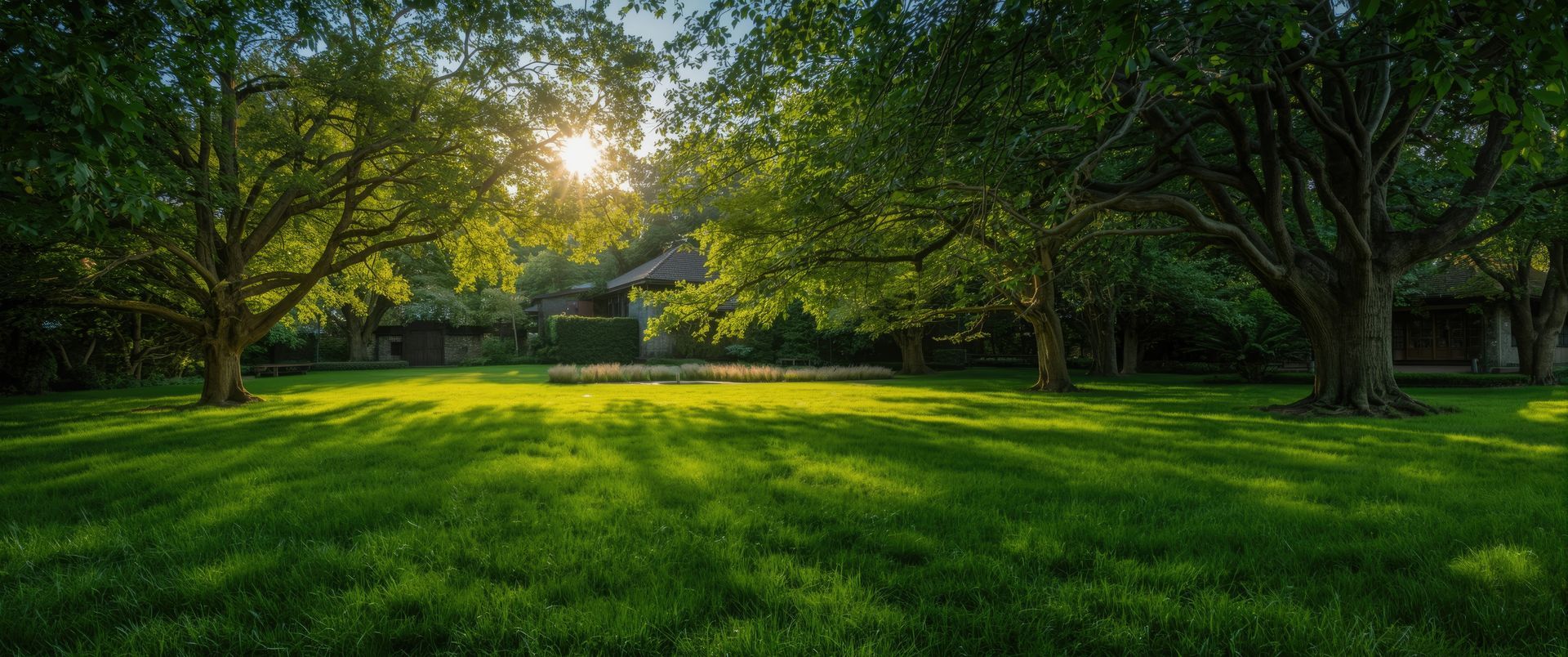
Before planning a landscaping layout, familiarize yourself with the varying shade types. Then, study the shady spots in your backyard to understand what's possible when buying plants. Light/Open Shade This shade is bright and fairly even. It exists in gardens that are directly open to the sky but are affected by shadows from trees, structures, and walls. Partial Shade As the sun moves across the sky, partially shaded areas receive direct sunlight for less than half a day. Partial shade also refers to spots where the sun is blocked during the hottest part of the day. Filtered/Dappled Shade Filtered shade typically applies to areas of your garden situated beneath tree canopies. Some sunlight passes through the leaves, dappling the ground with its rays. These parts of your garden can generally support plants that thrive in partial or light shade. Full/Deep Shade Very little (if any) direct sunlight touches a fully shaded area. The floor of a gazebo or the ground beneath a grove of evergreens is in deep shade. Your foliage options will be limited in these low-light regions. Dry/Wet Shade This is all about soil moisture levels. Dry shade means the soil is dry, and wet shade means it's moist. Dry shade often occurs under large or established trees, where roots suck up most of the water and leave little for new plants. Riverbanks or sunken areas with poor drainage are considered wet shade. Source
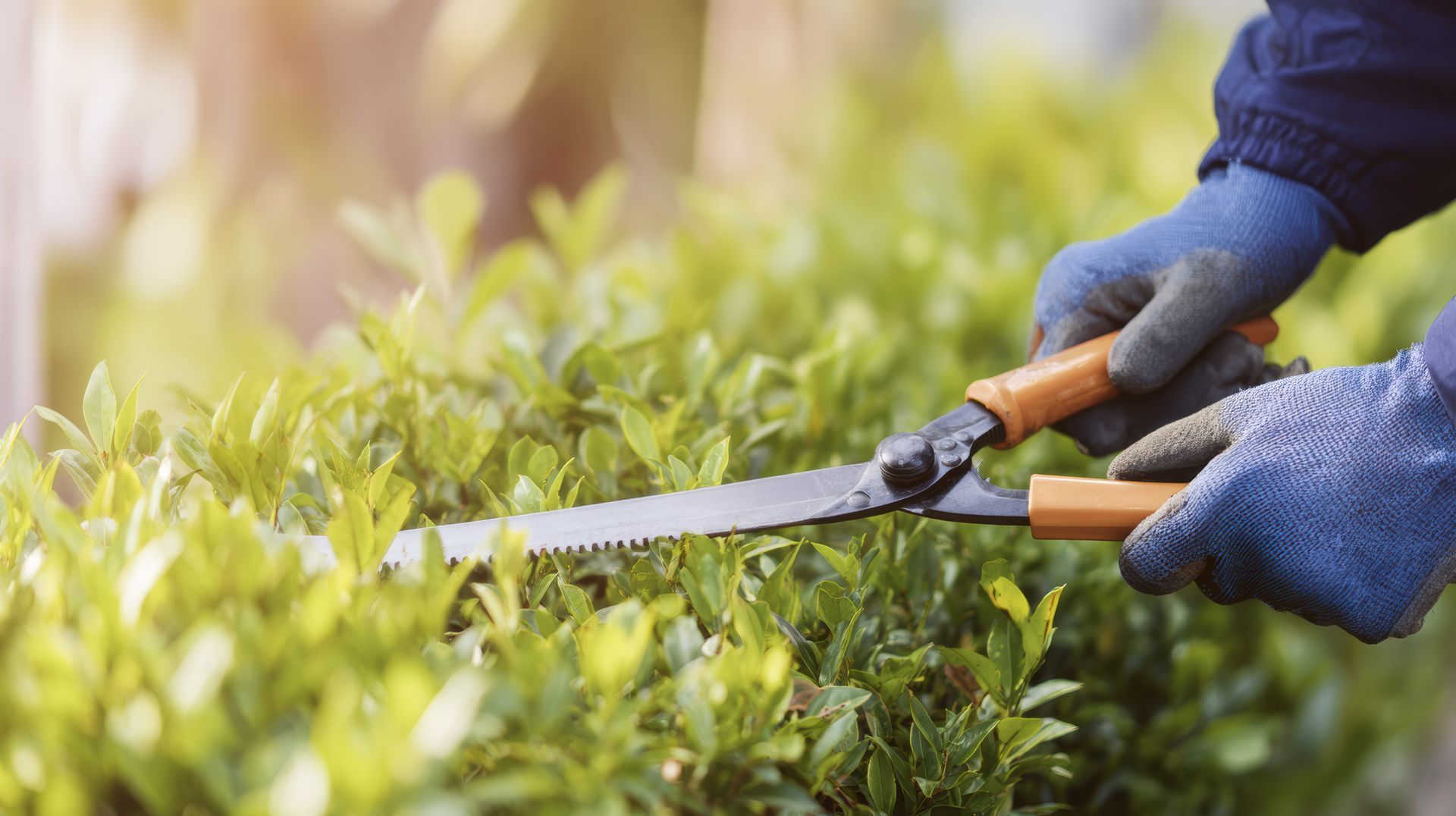
Expert Pruning & Trimming Services